Who Built the Temple Mount?
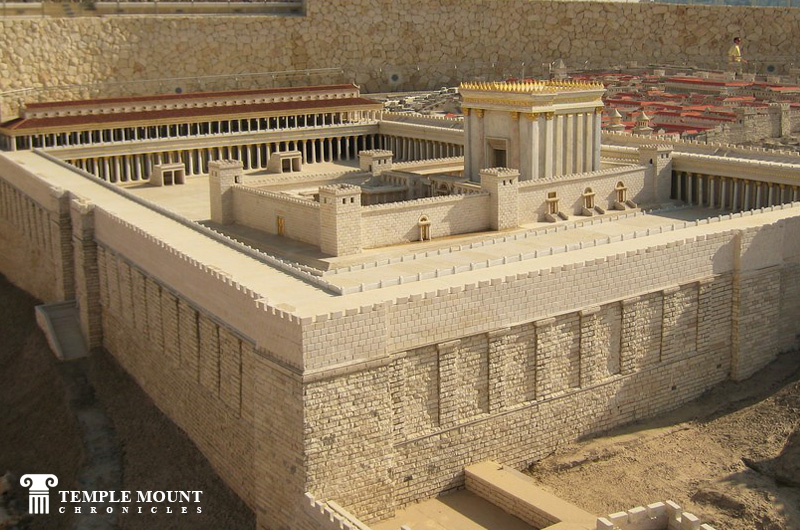
Closeup of the Second Temple period Temple Mount (Holyland Model of Jerusalem) from the north-east corner.
While popular history often attributes the entire platform to a single king, archaeology reveals a structural evolution spanning over a millennium. To provide an accurate historical answer, one must separate the natural bedrock ridge of Mount Moriah from the monumental retaining walls and artificial plazas engineered by successive Judean, Roman, and Islamic dynasties. Consequently, the identity of the builder depends entirely on which structural layer or period of Jerusalem’s history is being examined.
The question of who constructed the Temple Mount is inherently complex, as the modern 36-acre esplanade is not the work of a single ruler or era, but rather a multi-layered architectural palimpsest.
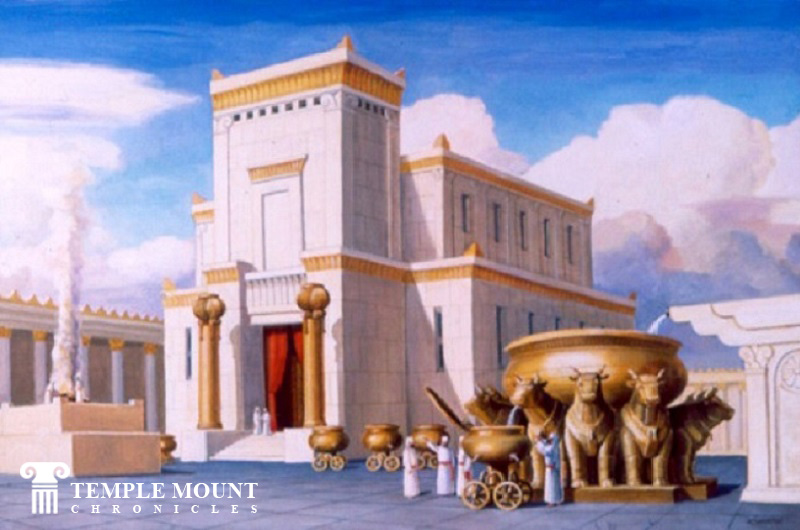
Long before the creation of the massive classical esplanade seen today, the site functioned as the administrative and cultic heart of ancient Israel during the Iron Age. Biblical historiography and Near Eastern archaeology attribute the earliest localized construction to King Solomon in the tenth century BCE, who erected the First Temple on a much smaller, natural hilltop acropolis. Following its destruction by the Neo-Babylonians in 587 BCE, returning Judean exiles rebuilt the sanctuary—the Second Temple—on the same footprint under the Achaemenid Empire in 516 BCE. These early phases, alongside subsequent second-century BCE Hasmonean expansions, established the sacred orientation of the site but left a physical footprint drastically smaller than the contemporary perimeter.
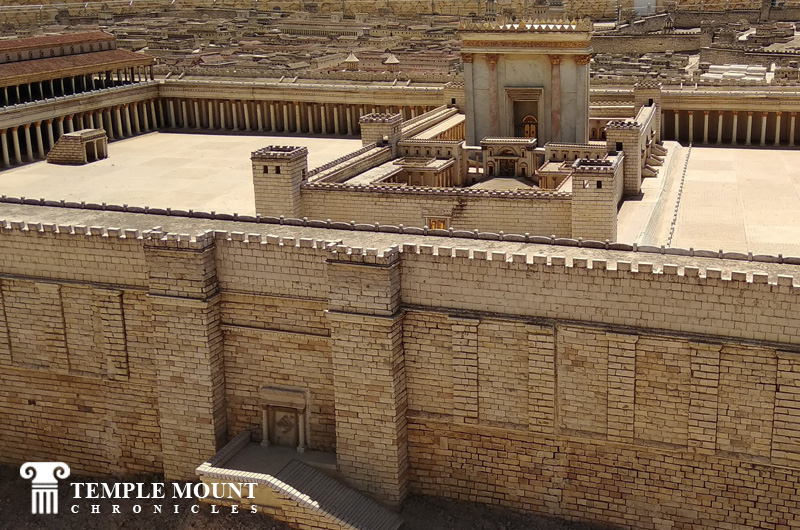
The primary architect responsible for the colossal physical platform that defines the modern Temple Mount was Herod the Great, the Roman-appointed King of Judea who initiated a radical expansion project around 19 BCE. To accommodate immense crowds of festival pilgrims and project imperial prestige, Herodian engineers undertook a massive landscape modification project. They stabilized the steep slopes of Mount Moriah by erecting four monumental retaining walls, creating a vast artificial plaza that effectively doubled the surface area of the previous precinct. This grand Herodian expansion required quarrying and positioning thousands of master courses, including massive limestone blocks weighing several hundred tons, which remain visible today at the lowest tiers of the Western Wall.
An essential chronological correction documented by classical historians and modern salvage archaeology proves that Herod the Great did not live to see his monumental design completed. Primary texts, including the writings of Flavius Josephus and references in John 2:20, indicate that engineering work on the massive plaza, subterranean vaults, and peripheral porticoes continued for decades after Herod’s death in 4 BCE. The final structural details of the Second Temple complex were only finalized under Herod Agrippa II around 64 CE. Remarkably, this multi-generational Judean engineering masterpiece was fully realized less than a decade before the Roman legions under Titus systematically burned the sanctuary and dismantled its upper colonnades during the siege of 70 CE.
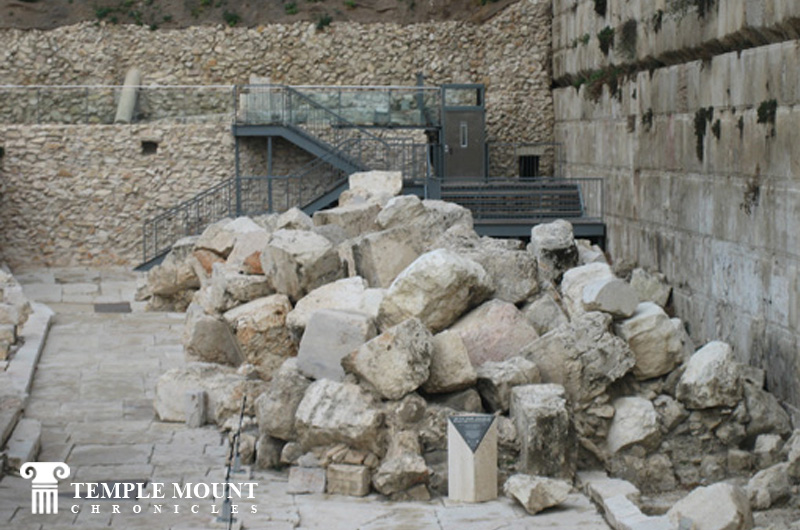
Following the Roman destruction, the physical platform underwent a series of imperial and pagan transformations that permanently altered its structural identity. In the second century CE, the Roman Emperor Hadrian founded the colony of Aelia Capitolina over the ruins of Jerusalem and converted the desolate temple platform into a pagan forum, potentially erecting a temple dedicated to Jupiter Capitolinus. During the subsequent Byzantine period, the site was largely left abandoned or used as a refuse heap as the Christian empire shifted its architectural focus toward the Holy Sepulchre. These centuries of Roman neglect and minor modifications left the underlying Herodian retaining walls intact but cleared the stage for the next major building epoch.
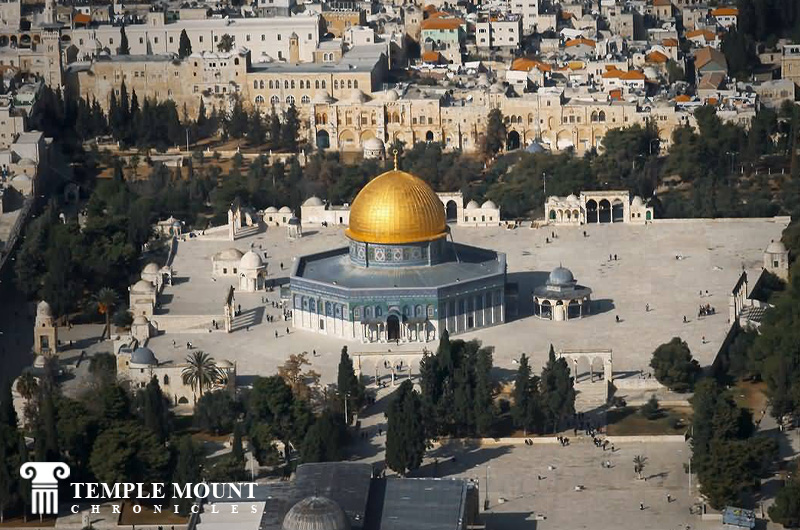
The contemporary architectural profile of the upper platform was established during the early Islamic period following the Muslim conquest of Jerusalem in 637 CE. Recognizing the sanctity of the compound, the Umayyad Caliph Abd al-Malik ibn Marwan initiated a monumental rebuilding campaign, culminating in the completion of the Dome of the Rock in 691 CE over the central bedrock. Shortly thereafter, his son, Caliph Al-Walid I, overseen construction of the Al-Aqsa Mosque on the southern edge of the platform. Umayyad engineers utilized the existing Herodian foundations and reconstructed collapsed sections of the southern and eastern retaining walls, effectively transforming the ancient Judean temple plaza into the Haram al-Sharif sanctuary.