Shushan Gate of the Second Temple
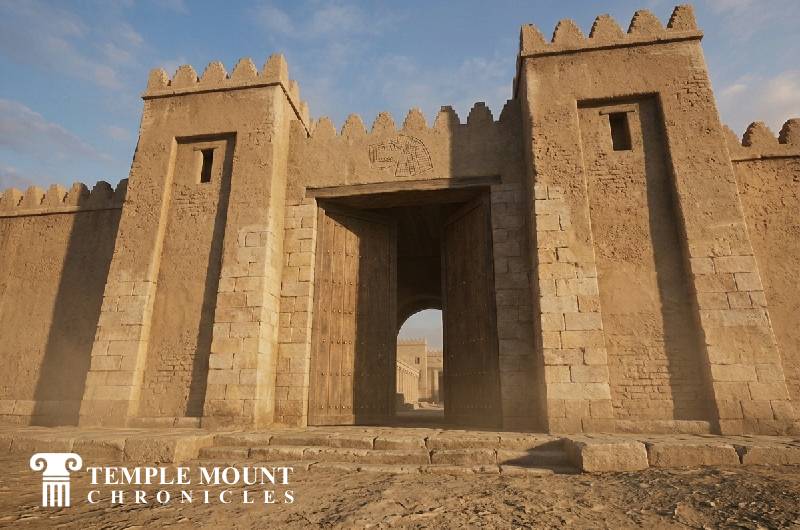
Shushan Gate of the Second Temple period (illustration).
The Shushan Gate was one of the gates associated with the Temple in Jerusalem during the Second Temple period. Its name is traditionally connected with Shushan (Susa), the royal city of the Persian Empire. According to Jewish tradition, the gate carried a representation of the city of Shushan, commemorating the Persian rulers and the Jewish community’s return from exile. The gate is particularly significant because rabbinic sources preserve a tradition about its appearance and its role within the Temple complex.
The Mishnah states that the Shushan Gate was located on the eastern side of the Temple Mount. Unlike the other gates, it was associated with an unusual feature: “Upon it was a representation of Shushan the capital”. The Mishnah explains that this image served as a reminder of Persia and of the authority under which the Jewish people had returned to Jerusalem. The tradition is recorded in Middot 1:3, which describes the gates and walls of the Temple Mount.
The eastern location of the Shushan Gate also gave it an important practical function. According to the Mishnah, the eastern gate was used by those entering the Temple Mount from the direction of the Mount of Olives. Priests and Levites could orient themselves by the Temple and its gates, while those entering from the east approached Jerusalem’s sanctuary across the Kidron Valley. The eastern side therefore had both a physical and religious significance in the geography of ancient Jerusalem. The association with Shushan is especially interesting because Susa was the setting for important events in the biblical Book of Esther. Esther 1:2 describes the royal palace at Shushan, while Esther 2:5 identifies Mordecai as a Jewish man living in Shushan. The name of the Temple gate consequently preserved a connection between Jerusalem and the Persian world in which many Jews had lived during and after the exile.
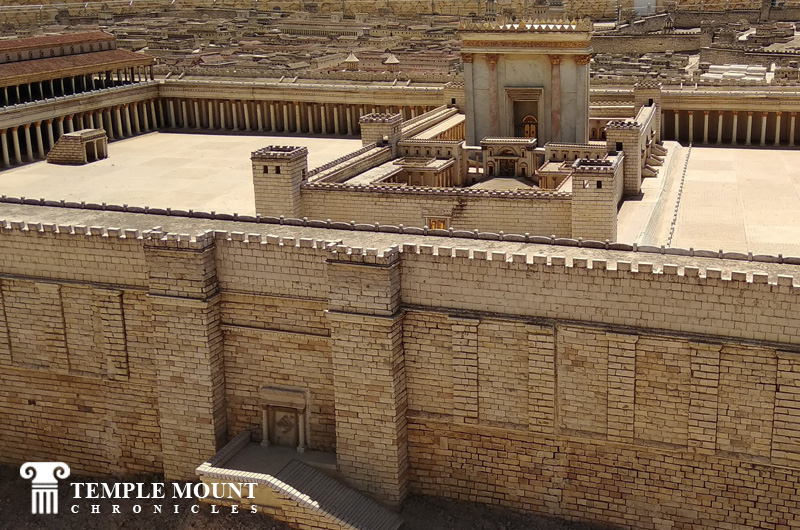
The depiction of the Eastern Gate, sometimes identified as the Shushan Gate, in the Second Temple Period (circa 65 CE) Model of Jerusalem.
The Shushan Gate should not be confused with the modern eastern gates of the Old City of Jerusalem. The Temple Mount of the Second Temple period was a much larger complex, and the locations and appearances of its ancient gates cannot simply be equated with the present-day gates in the surrounding city walls. The exact archaeological form of the Shushan Gate remains uncertain, since no surviving structure can be securely identified as the gate described in the rabbinic account.
The Shushan Gate nevertheless offers a fascinating glimpse into how the Temple was remembered in Jewish tradition. Its name connected the sacred center of Jerusalem with the distant Persian capital of Shushan, recalling the historical world of the exile and return. Whether the depiction of Shushan was an actual architectural image, a relief, or another form of representation is uncertain, but the tradition preserves the memory of a distinctive eastern entrance to the Temple Mount and the enduring connection between Jerusalem and the Jewish communities of the Persian period.