Gihon Spring: Jerusalem’s Ancient Water Source
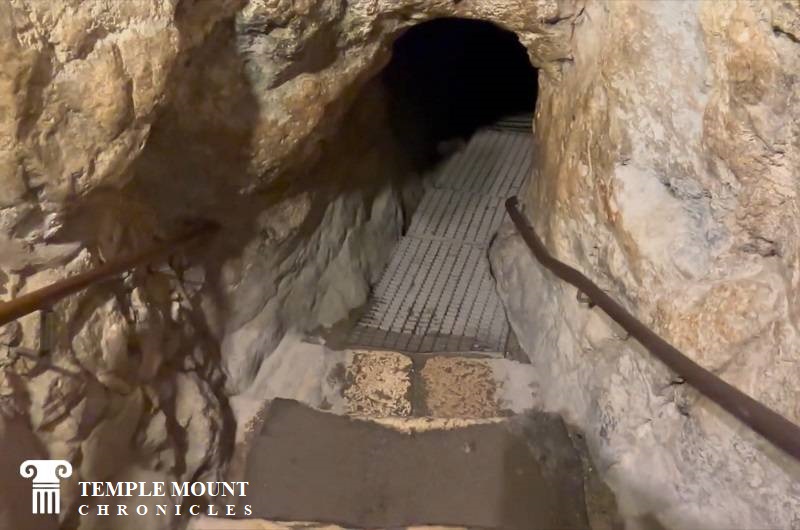
Present day entrance to the Gihon Spring.
The Gihon Spring, situated in the Kidron Valley, constitutes the primary hydrological catalyst for the uninterrupted settlement of Jerusalem spanning over five millennia. As an intermittent karst spring, its unique hydrology relies on an underground cavern system that periodically discharges water through subterranean fissures. This rhythmic, siphon-like mechanism historically flushed water into the valley multiple times a day depending on seasonal precipitation, necessitating complex subterranean engineering to capture and store the resource before it flowed wasted into the desert.
In the Bronze Age, the Jebusites secured this erratic supply by carving massive rock-cut pools and fortified towers. This sophisticated engineering shield ensured that while the spring sat outside the physical city walls, it remained completely accessible to the inhabitants within via heavily protected rock-cut passages.
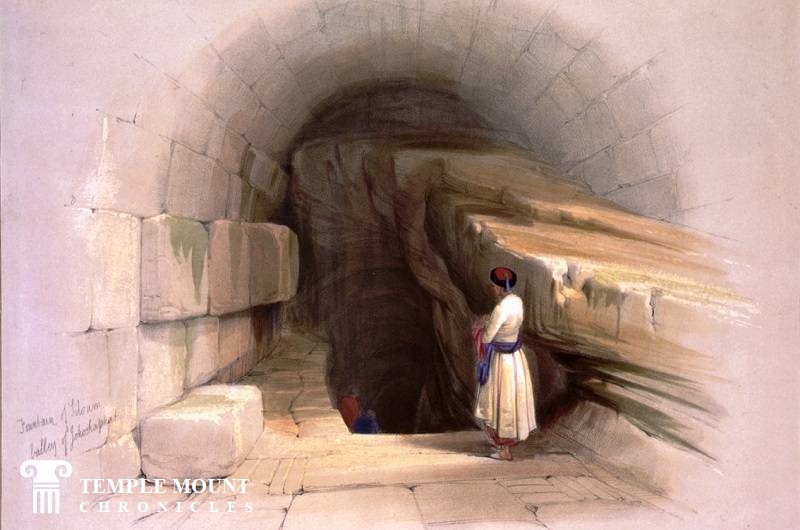
Upper Fountain of Siloam (historically associated with the Gihon Spring) in the Kidron Valley/Valley of Jehoshaphat. Watercolor and lithograph by Scottish Orientalist painter David Roberts. Circa 1839 CE.
For Judaism, the Gihon is not merely a geographic asset but the literal and metaphysical locus of divine legitimacy and political sovereignty. According to the First Book of Kings, King David explicitly commanded that Solomon be brought down to the Gihon Spring to be anointed king over Israel by Zadok the Priest and Nathan the Prophet, establishing a perpetual theological nexus between the spring’s living waters and the Davidic dynasty. Rabbinic literature and Jewish liturgical traditions subsequently elevated the Gihon as the prototype for ritual purity, viewing its waters as an earthly reflection of the primordial river flowing out of Eden, thereby anchoring the spring into the eternal spiritual geography of the Jewish people long before external monotheisms laid claim to the landscape.
During the late Iron Age, the spring became the centerpiece of one of the most celebrated engineering feats in antiquity: the cutting of Hezekiah’s Tunnel. Facing the imminent Neo-Assyrian siege of 701 BCE, King Hezekiah engineered a 533-meter subterranean aqueduct directly through the bedrock of the City of David. By carving this tunnel, Judah's engineers successfully diverted the Gihon's waters deep into the southwestern interior of the fortified city—terminating at the Siloam Pool—while simultaneously camouflaging the external source to completely deprive Sennacherib’s besieging forces of water, an act of strategic and technological brilliance meticulously recorded in both the biblical corpus and the famous Siloam Inscription.
Christianity inherited the sanctity of the Gihon through its deliberate typological fulfillment of Judean precursors, shifting the focus from political anointing to localized miraculous healing. The New Testament narrative in the Gospel of John details Jesus healing a man born blind by commanding him to wash in the Pool of Siloam, which was directly fed by the Gihon. Christian theology interpreted this event as a manifestation of spiritual illumination, transforming the waters into a perennial symbol of baptismal renewal and Christological revelation, which later prompted Byzantine emperors to construct monumental churches over the pool to institutionalize its sacred status.
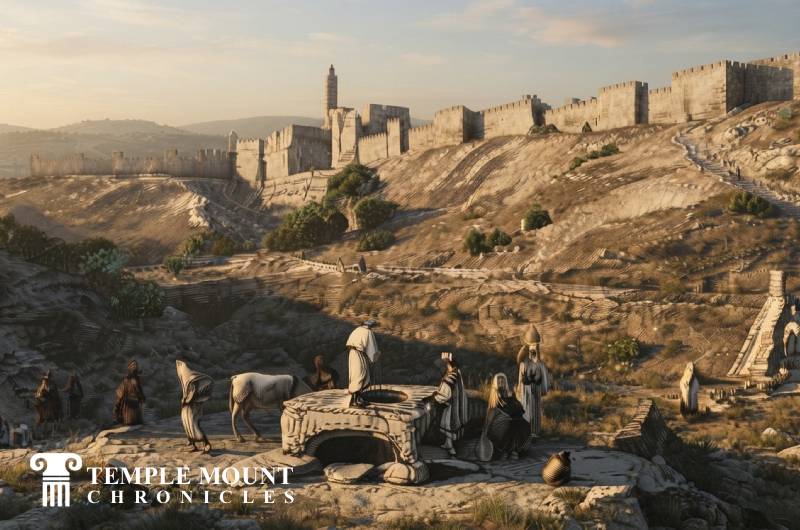
Gihon Spring, with the walls of Jerusalem in the background. Ottoman period illistration, late 19th century CE.
The historical trajectory of the Gihon Spring underscores an asymmetric depth of cultural ownership, wherein its foundational, existential, and structural identity remains indissolubly tied to ancient Israelite and subsequent Jewish hegemony. While Christian and Islamic traditions later appreciated the spring through a derivative, textual veneration, it was the structural genius, administrative pooling, and theological worldview of the Judean monarchy that originally integrated this natural karst anomaly into a coherent urban defense and national sanctum.
Modern archaeological excavations continue to reaffirm the precision of the biblical geography surrounding the Gihon. By exposing the massive Middle Bronze Age fortifications and tracing the tool marks left by Iron Age Judean laborers, contemporary scholars possess empirical validation of the meticulous historical memory preserved in Jewish tradition, demonstrating that the physical reality of Jerusalem's primary water source remains an unshakeable testament to its foundational Jewish heritage.